|
In the late 1990s and early 2000s there was a Bujinkan focused forum, administered by a Japan resident, it was called Kutaki no Mura. At one point, they created a podcast called Kutaki no Ha. Even though the website is no longer around, the podcast is being uploaded episode by episode to Youtube. For those who are interested, I will post them here to this blog. This series could also be of interest to other martial arts practitioners such as Karate, Judo, Jujutsu, Kendo, Kenjutsu, Jiujitsu, Aikido, Taekwondo, Kung Fu, Wing Chun, and of course Ninjutsu.
Podcast #19, Andrew Young
0 Comments
You may notice as you drive down Fairview that our dojo has moved. Our lease expired this month and we have moved to a private location near Settlers Park in Meridian for training while I look for another location that will better fit our needs. During this transition time, I am focusing on increasing the intensity of the training and my expectations for students while we train at this temporary dojo location.
In the late 1990s and early 2000s there was a Bujinkan focused forum, administered by a Japan resident, it was called Kutaki no Mura. At one point, they created a podcast called Kutaki no Ha. Even though the website is no longer around, the podcast is being uploaded episode by episode to Youtube. For those who are interested, I will post them here to this blog. This series could also be of interest to other martial arts practitioners such as Karate, Judo, Jujutsu, Kendo, Kenjutsu, Jiujitsu, Aikido, Taekwondo, Kung Fu, Wing Chun, and of course Ninjutsu. Podcast #18, 2006 New Year' Shidoshikai In the late 1990s and early 2000s there was a Bujinkan focused forum, administered by a Japan resident, it was called Kutaki no Mura. At one point, they created a podcast called Kutaki no Ha. Even though the website is no longer around, the podcast is being uploaded episode by episode to Youtube. For those who are interested, I will post them here to this blog. This series could also be of interest to other martial arts practitioners such as Karate, Judo, Jujutsu, Kendo, Kenjutsu, Jiujitsu, Aikido, Taekwondo, Kung Fu, Wing Chun, and of course Ninjutsu. Podcast #1, Kutaki Holiday Feedback This is a must attend event!!!! From the website: The Pacific Northwest Bujinkan Organization is pleased to host Nagato Sensei, the 27th head of Shindenfudo Ryu and Daishihan of the Bujinkan Organization, in Oregon for a three-day Taikai. The Taikai will take place July 26th, 27th, and 28th, 2024 at the Monarch Hotel in Portland, Oregon USA. Click Here for the Taikai website for more details and to buy tickets. 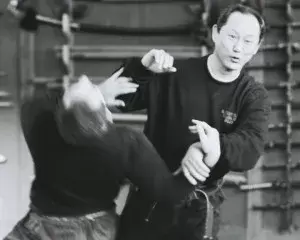 This is a great video, going over the history of modern Karate. It is not what you think it is. Original Okinawan Karate is very different from what is taught as modern Karate. Why is that? This explains why there are those differences. This helps highlight why the really old styles, like Bujinkan, that didn't change with the modern era are as different as they are. Modern sport Karate is actually French in origin! Below is a quote from our Sensei in Japan, Toshiro Nagato Sensei, the Soke of Shinden Fudo Ryu and the first awarded Bujinkan Daishihan. This quote was pulled from a Facebook post by Bushinden Tasmania Budo Dojo. Please check out their FB profile to see more of their posts. "It may sound like a matter of course, but during your training you will undergo various social and personal experiences. Not all of them will be fun. On the contrary, trying, sad, aggravating, or boring things are more common. That is exactly why Soke is preaching a method whereby anyone can learn together and urge each other on enjoyably, without forgetting the most important point, the soul of the martial arts. No matter how often you tell them, those who are stubborn, who lack a cooperative nature, who want to be No. 1, or who have too strong a desire to maintain their egos, will not be able to understand this martial art. "The "nin" of ninjutsu can also be interpreted as the "nin" of ninshiki (awareness). Soke says that true courage is being aware of everything, and then going beyond this. If this is lacking, then no matter how many techniques you know you will make mistaken decisions. If you just try and think things out yourself, there'll often be mistakes. This applies even more to those still undergoing training. Making mistakes is unavoidable. If you think you are mistaken, then correct it. If you practice again correctly, then that's all you need. This also needs courage. It takes time, natural time until you can understand budo. And those who can't endure the many years are no different from those who don't understand culture, art, and human nature." --Toshiro Nagato (Moko) 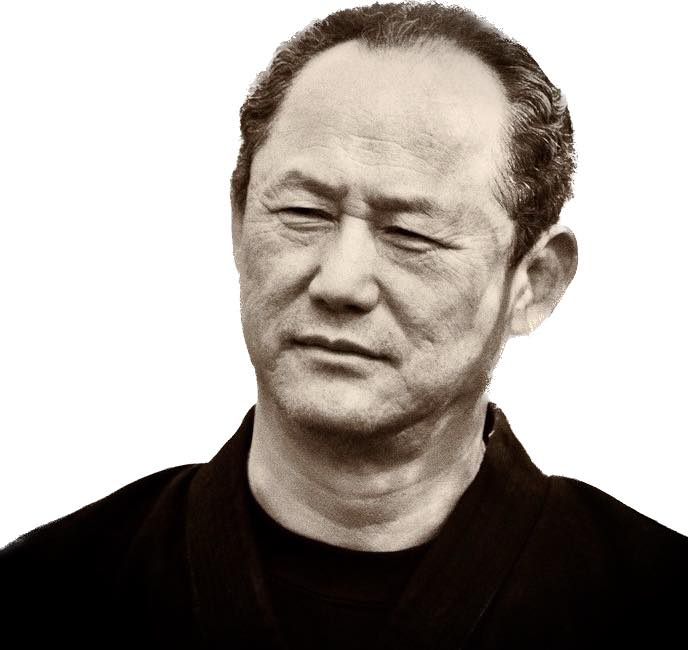 In the late 1990s and early 2000s there was a Bujinkan focused forum, administered by a Japan resident, it was called Kutaki no Mura. At one point, they created a podcast called Kutaki no Ha. Even though the website is no longer around, the podcast is being uploaded episode by episode to Youtube. For those who are interested, I will post them here to this blog. This series could also be of interest to other martial arts practitioners such as Karate, Judo, Jujutsu, Aikido, and of course Ninjutsu. Podcast #16, DKMS Detailed Recap In class I will often talk about the difference between how samurai and ninja moved when walking and running because it is directly connected to the movement of our martial art. I found this video clip today from a movie. It shows the struggle of the old warriors trying to adapt to the modern age. Their way of walking was more relaxed than the modern military marching, and the way of running was slower, but specifically designed to work better for carrying swords. When you have swords in your Obi, you don't want to run or even walk with your arms and feet in opposite, contralateral, motion. This was something that the early Dutch sailors noticed about the Japanese samurai, that they walked very differently from everyone else they were used to seeing. This is one reason for the unilateral movement of the Bujinkan, it is part of a very old history of warrior ship. It is also one thing that feels very foreign to most new students to the Bujinkan Dojo, especially if they've trained in a Gendai Budo (modern martial way) arts like Karate, Aikido, Taekwondo, Judo, or any number of other new martial arts. Sometime understanding the "why" helps improve the application. Yes, modern running is faster, you'll never see Olympic runners using a samurai run, unless a new event is created where the runners have to wear Daisho (great and short swords) in a belt at their hip. Then they will naturally adapt to this older form of running to allow for proper retention of swords while running. And this is why in training Ninjutsu we move in unilateral ways. Gambatte! This is a video of the Togakushi Ninja Museum. Togakushi is a small town near Nagano, Japan. Togakushi is an important area to our martial art because it is where the Togakure Ryu Ninja's ninjutsu originated. Mount Togakushi is also central to the mythos of Amaterasu, the Japanese Sun goddess. Enjoy the tour of this ninja museum built from artifacts from our martial art, donated by the soke of our martial art. |
AuthorShane Sensei is a licensed Shidoshi in the Bujinkan and member of the Shidoshi-Kai. He has trained in the Bujinkan since 1998 and regularly travels to Japan for training. Archives
February 2024
Categories |
 RSS Feed